Radical 讠
9 strokes
說
words 讠 (67c) + convert 兌 (67b) = say 说
Another ghostly archetype (see the text after Character 59), which means “sho” from the soundword is changed into “shuo”. We won’t mention this every time it occurs from now on.
[小说 (50) xiǎoshuō a novel]

(A new aid for blind people has been invented) “all you have to do is run this gadget over the written words and it will convert them into signals which it can then say out loud.” / The ghostly giant (who is the guardian of this new device) shows the blind people how to use it.


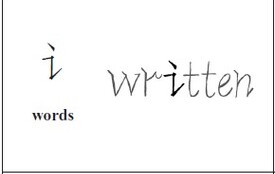

This common component, which appears on the left-hand side of characters, is a simplification of the character 言 which we’ll meet later (Character 375). In our stories we usually refer to words which are written down rather than spoken.